

When discussing Dubai’s intelligent infrastructure, the Dubai Metro stands as one of the city’s boldest and most transformative projects—reshaping not just how people commute, but how the city grows and invests in its future.
In a city racing toward innovation and expansion, Dubai Metro plays a pivotal role in driving sustainability, connecting communities, and realizing the emirate’s vision of becoming one of the smartest and most livable cities in the world.
It is more than a transit system—it’s an economic and investment engine that directly influences property values, urban planning, and long-term real estate opportunities.
Since its launch, the metro has become a symbol of strategic urban development, attracting both residents and investors thanks to its efficiency, reliability, and seamless access to Dubai’s key business and leisure hubs.
Overview of Dubai Metro
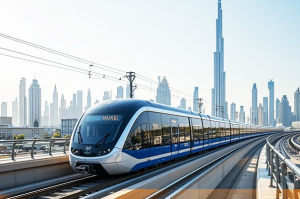
Launched in 2009, Dubai Metro became the first fully automated, driverless metro system in the Arab world.
- Current lines: Red and Green
- Total length: Over 89 kilometers
- Stations: 53 active stations
- Annual ridership: Over 200 million passengers
The Urban Role of Dubai Metro: How It’s Reshaping the City
The Dubai Metro project was never just about easing transportation—it was designed as an integrated urban planning tool. Around every station, a network of residential communities, commercial centers, malls, and office spaces has emerged, resulting in:
- Increased property values near metro stations
- Reduced reliance on private vehicles, encouraging public transport
- Stimulated infrastructure development in underdeveloped areas
- Improved accessibility to key tourist and business destinations
Today, living near a metro station is considered a hallmark of smart, upscale urban living in Dubai, particularly among expats, professionals, and entrepreneurs who prioritize efficiency, convenience, and modern infrastructure.
Future Expansions: Where Is Dubai Heading?
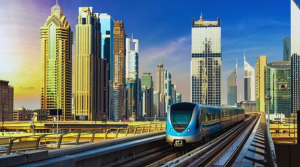
Dubai’s metro network is expanding in line with the 2040 Urban Master Plan. Announced and proposed projects include:
- Red Line Extension
Connecting Expo 2020 station directly to Al Maktoum International Airport, passing through Dubai South—a high-growth development zone.
- Proposed New Lines
Future connectivity to:
-
- Jebel Ali Industrial Area
- International City
- Mirdif and Al Warqaa
- South Barsha
These plans show the emirate”s orientation towards promoting thoughtful urban expansion, so that urbanization does not grow alone, but is accompanied by development in smart infrastructure.
Real Estate Investment Along the Metro Lines
Investing in properties near metro stations has become a proven and effective strategy in Dubai’s real estate market. Reports indicate that:
- Residential properties located near metro stations record up to a 25% increase in value compared to those located further away.
- Rental yields in metro-connected areas typically range between 6% and 8%, due to high demand from professionals, tourists, and residents seeking smart, car-free living.
- New developments marketed near upcoming metro stations often receive immediate interest from both local and international investors.
In other words, every metro line extension signals the start of a real estate boom in the area it connects to—making early investment a highly strategic move.
Metro and Commercial Property: A Profitable Connection
It’s not only residential properties that benefit from proximity to metro lines—commercial real estate gains just as much:
- Retail shops and offices near metro stations experience significantly higher foot traffic, driving more visibility and revenue.
- Shopping malls located close to metro hubs see increased sales volumes and visitor numbers.
- Office spaces connected to the metro attract global businesses looking for easily accessible locations for their employees and clients.
This makes metro-connected areas particularly appealing for commercial investments, especially within mixed-use developments where residential, retail, and corporate spaces coexist in one thriving ecosystem.
Dubai Metro is not just a means of transportation—it is a powerful investment indicator.
The areas it serves today—and the ones it will reach tomorrow—are the real estate hotspots every smart investor should be watching.
If you’re seeking an investment that is strategic, low-risk, and offers stable long-term returns, then properties located near metro stations should be at the top of your list.